Summary
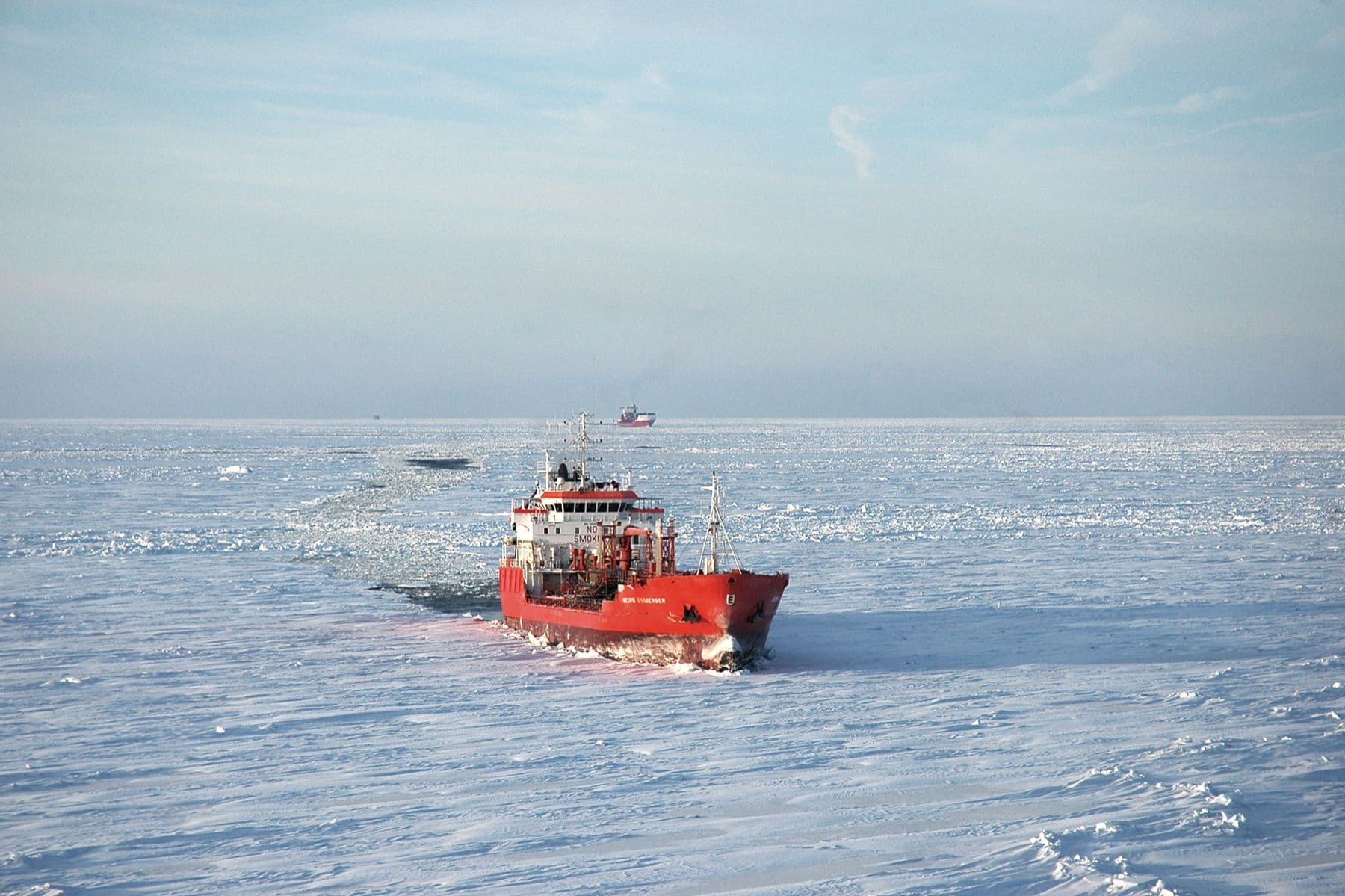
The container ship PanStar Acro docked in Busan on October 11, completing South Korea's first commercial round trip to Europe via the Arctic. It left on August 22, sailed along Russia's northern coast to Felixstowe, Rotterdam and Gdansk, and returned the same way 50 days later. Seoul wants regular service by 2030 to make Busan a global hub, but the trip showed the weak points: thin cargo demand and dependence on Russia.
Key numbers
- Busan round trip
- 50 days
- Shorter transit vs. southern routes
- ~1/3
- Cargo loaded
- 737 TEU
- Target for regular service
- 2030
Busan round trip
departed Aug 22, docked Oct 11
Shorter transit vs. southern routes
e.g. via the Suez Canal
Cargo loaded
vs. ~1,300 TEU sought, plus empties
Target for regular service
a priority of President Lee Jae Myung
EXHIBIT 1The voyage
EXHIBIT 2Arctic shipping is growing
Polar Code area, distance sailed, M nautical miles
Distance sailed up 95%; a record 1,812 unique ships entered the area in 2025, up 40% from 2013. In 2025 the Istanbul Bridge sailed Ningbo → Felixstowe via the Northern Sea Route in about 20 days.
Why Seoul is pushing it
- Shorter route: authorities say the Arctic cuts typical Asia–Europe voyage times by around a third.
- Hub strategy: regular Arctic service would strengthen Busan's standing as a global maritime hub.
- Warming Arctic: warming 3–4x faster than the rest of the planet, the shipping season could become three times longer.
Risks
- Cargo demand: the ship left with 737 TEU against the ~1,300 TEU PanStar sought.
- Russia: the route hugs Russia's coast; Seoul consulted Moscow, including on rescue if the ship got stuck in ice, risking friction with Western allies.
- Cost and reliability: slowing for ice, special insurance premiums and extra fuel use eat into the time saving, and schedules are less predictable.
Educational research, not investment advice. Prepared by student analysts of the Commodities and Shipping Club at Northeastern University from the sources cited above.